
Modular Exhibition Stands
Customizable Modular Exhibition Stands for Any Booth Size
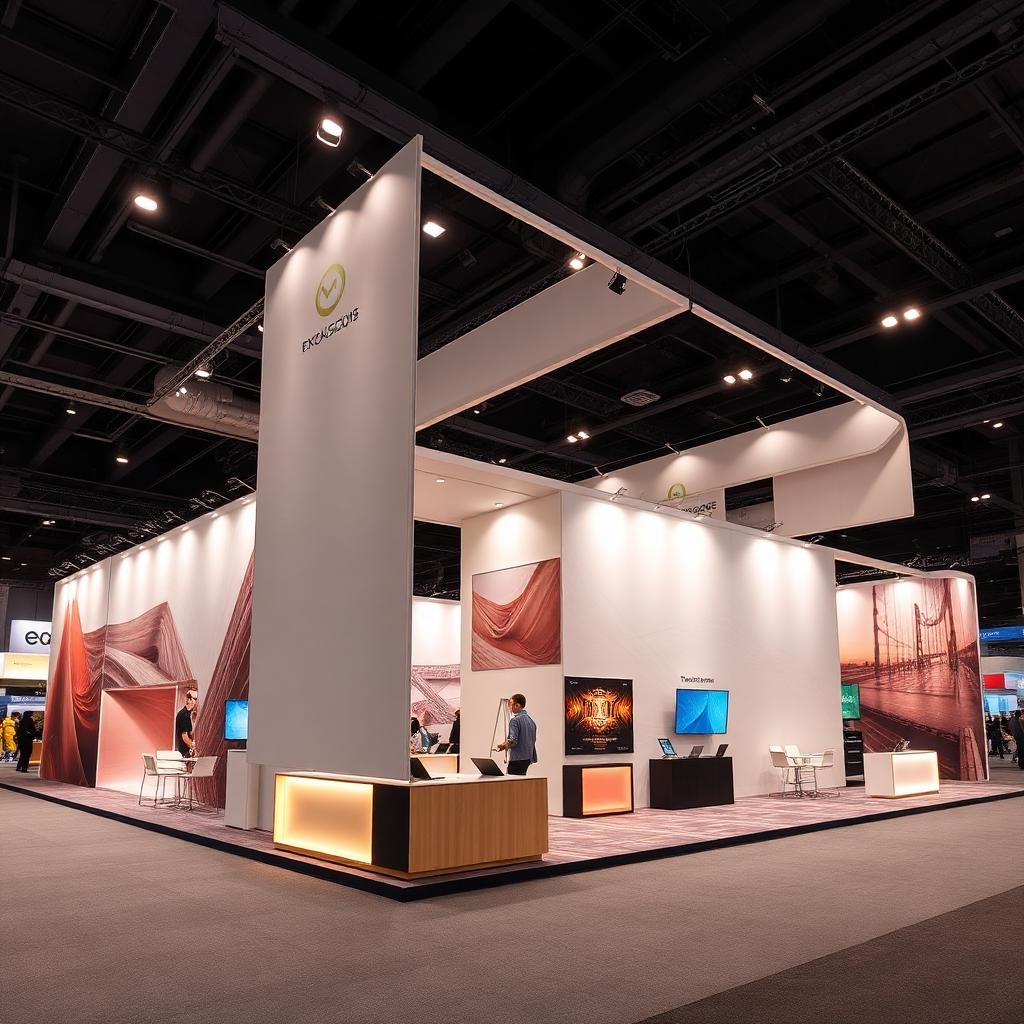
Modular exhibition stands are completely customizable exhibit systems that can be configured in various shapes and sizes. Featuring lightweight tension fabric graphics on reusable aluminum frames, these modular displays adapt to different booth sizes and layouts — from 10x10 to 20x30 island configurations.
Key Features
- Fully customizable layouts
- Reusable aluminum frames
- SEG fabric graphics
- LED lighting options
- Various booth sizes
- Interchangeable components
Specifications
Modular — Complete Buyer's Guide
What Are Modular Exhibition Stands?
Modular exhibition stands are fully customizable trade show display systems that use interchangeable aluminum components and connectors to create virtually unlimited booth configurations. Unlike fixed-format displays that come in predetermined sizes and shapes, modular systems allow you to design your booth layout from the ground up — assembling walls, corners, counters, and architectural elements from a library of standardized components. This building-block approach means a single modular investment can serve as a 10x10 inline display one week and a 20x20 island booth the next, simply by reconfiguring the same components. For exhibitors who attend multiple events with varying booth assignments, modular exhibition stands offer unmatched flexibility and long-term value.
Component Architecture and Design
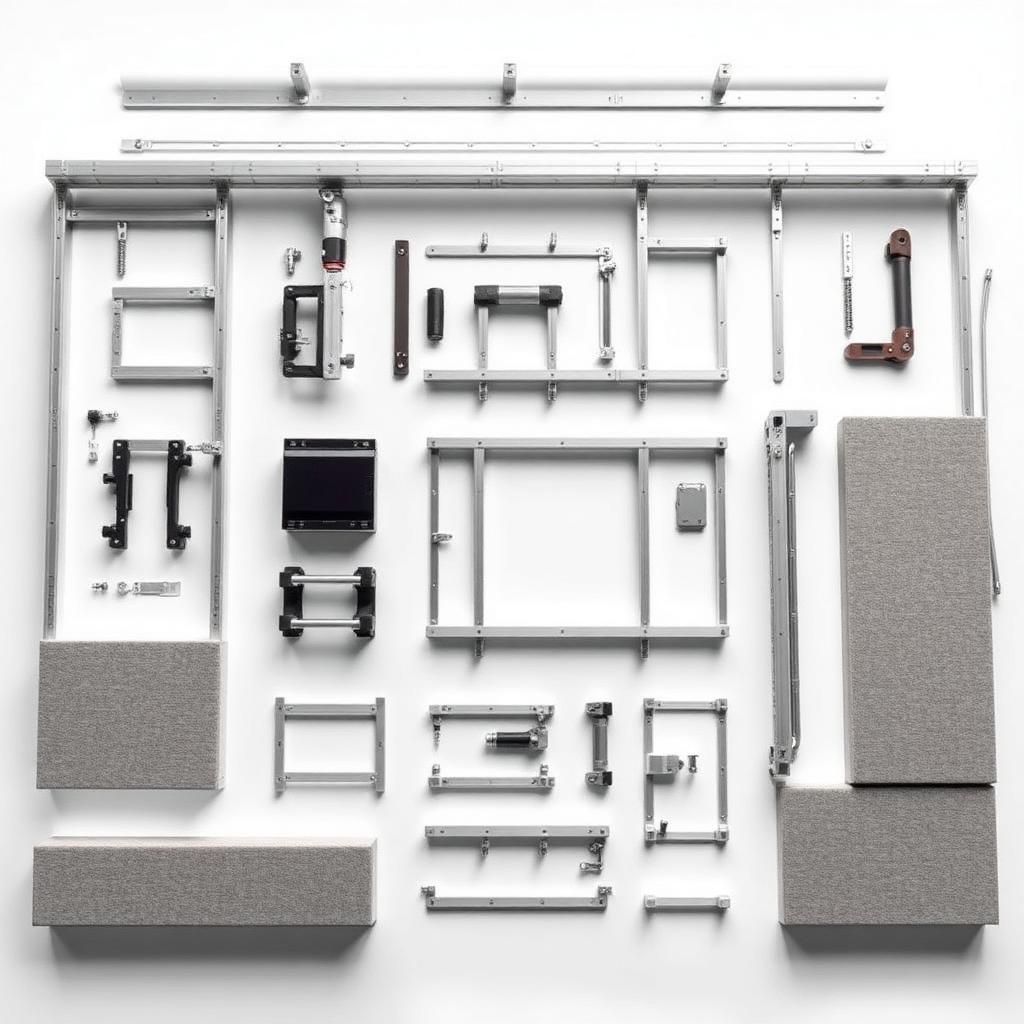
Modular exhibition stands are built on a precision-engineered aluminum extrusion system with standardized connector hardware. The frame components — vertical posts, horizontal beams, and cross-braces — connect using tool-free connectors that lock at 45°, 90°, and 180° angles. This connector system is the key to modular versatility: by changing the connector angles and rearranging frame sections, you create entirely different booth shapes and sizes. SEG tension fabric graphics slide into channels on the frame sections, providing seamless, wrinkle-free brand surfaces on every wall segment. The modular approach extends to accessories: counters, monitor mounts, product shelving, storage closets, and LED lighting all integrate with the same frame system, allowing you to add or remove features as your booth requirements change between events.
Configuration Possibilities
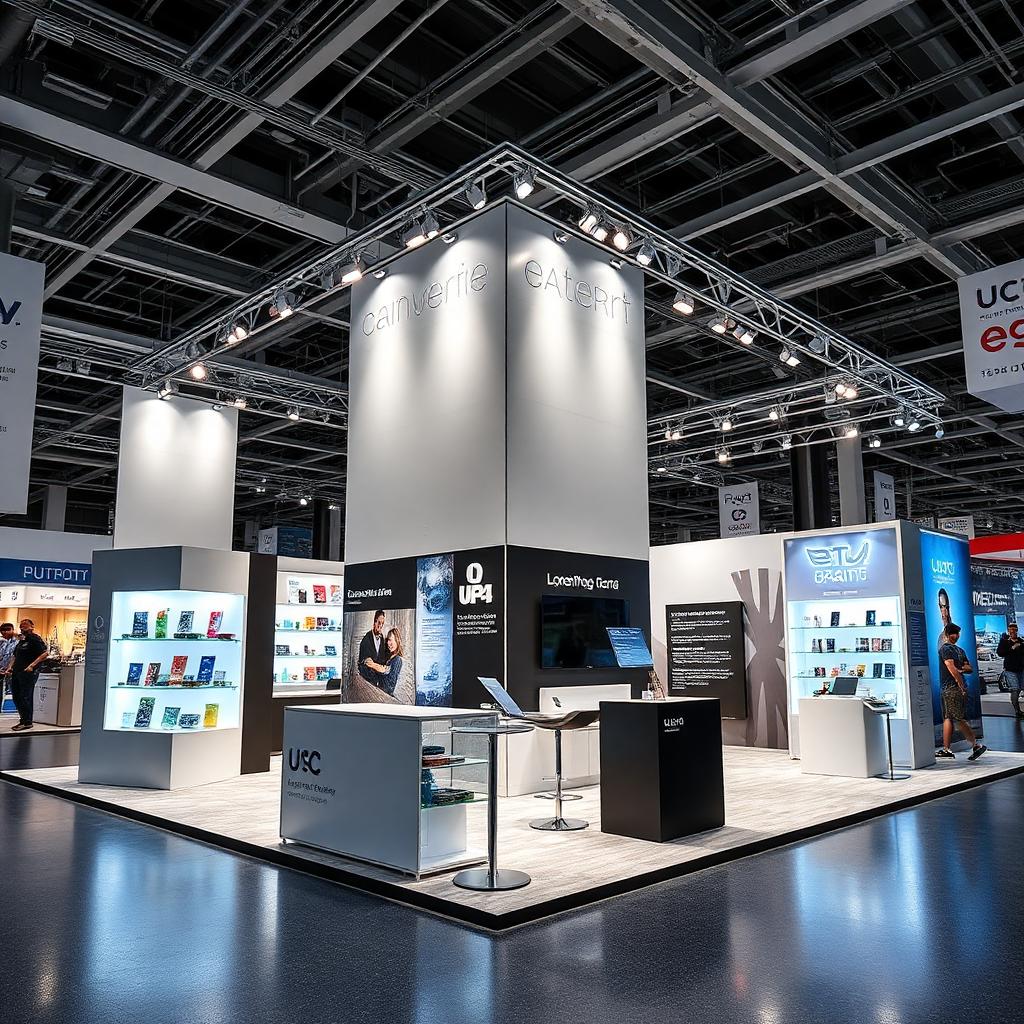
The configuration flexibility of modular exhibition stands is virtually unlimited. Standard configurations include inline back walls (10ft to 30ft), L-shaped corner displays, U-shaped surrounds, peninsula layouts with three exposed sides, and island configurations accessible from all four directions. Within these general layouts, you control every dimension — wall height, wing angle, counter placement, and accessory positioning. Advanced configurations can include meeting rooms enclosed by fabric walls, elevated signage towers visible above the show floor, demonstration areas with integrated technology, and reception counters with under-counter storage. Many exhibitors maintain a library of configuration plans, selecting the appropriate layout for each event based on booth size, show objectives, and audience type. This ability to present different booth personalities at different events is a significant competitive advantage.
Accessories and Feature Integration
Modular exhibition stands support the most comprehensive range of accessories of any portable display system. Monitor mounts integrate directly into the aluminum frame at any position, supporting screens from small tablets to large 65-inch displays for video presentations and interactive content. Product shelving creates retail-style displays within your booth for merchandise, samples, or demonstration products. Integrated storage closets — concealed behind fabric graphic walls — provide secure, hidden space for carrying cases, personal items, and inventory. LED lighting options include front-lit accent spotlights, backlit wall illumination, and edge-lit signage. Custom counters built from the same modular frame system match your booth aesthetic while providing workspace for registration, sales conversations, or product demonstrations. The ability to add, remove, and reposition accessories between events gives modular exhibitors unmatched adaptability.
Modular vs Custom-Built Booths
Modular exhibition stands occupy the sweet spot between portable pop-up displays and fully custom-built booths. Custom booths offer unlimited design possibilities — unique architectural shapes, premium materials, built-in technology, and one-of-a-kind visual impact. However, custom booths come with significant drawbacks: high design and fabrication costs, professional installation requirements, expensive crate shipping, off-site storage fees between events, and limited ability to reconfigure for different booth sizes. Modular stands deliver 80-90% of the visual impact of custom booths at 30-50% of the cost, with the added benefits of owner-managed setup, standard case shipping, compact storage, and unlimited reconfigurability. For the vast majority of exhibitors, modular systems provide the optimal balance of customization, visual impact, and practical value.
Investment Strategy and Scalability
One of the most compelling aspects of modular exhibition stands is their scalability — you can start with a basic configuration and expand your system incrementally as your trade show program grows. Begin with a 10x10 inline setup consisting of a back wall and counter. As your needs evolve, add wing panels for an L-shaped configuration. Upgrade to LED backlighting for increased visual impact. Add monitor mounts when you develop video content. Expand to 10x20 or 20x20 configurations by purchasing additional frame sections and graphic panels. This incremental approach distributes your investment over time, aligning expenses with your company's growth and event schedule. The standardized component system ensures that every new addition integrates seamlessly with your existing hardware, protecting your initial investment while enabling continuous improvement.
Setup Process for Modular Systems
While modular exhibition stands require more setup time than pop-up displays, the assembly process remains approachable for non-professionals. Two people can assemble a 10x10 modular configuration in 30-45 minutes, while larger 20x20 island setups typically require 45-60 minutes. The key to efficient modular setup is organization: label your frame sections and graphics panels, follow a systematic assembly sequence (start with the back wall, then add side panels and accessories), and practice the configuration at least once before your first event. The tool-free connector system means no special equipment is needed — just your hands and a plan. Many exhibitors create photo-documented setup guides for each configuration they use, enabling any team member to assemble the booth consistently. For very large or complex configurations, some exhibitors hire one local labor assistant for a few hours, which still costs a fraction of custom booth installation crews.
Related Articles
Explore Related Displays
Use Cases
Available Sizes
Modular — Frequently Asked Questions
What Customers Say About Modular
"The modular system pays for itself. We've reconfigured the same frames for 10x10, 10x20, and 20x20 booths across different shows. Incredible versatility."
Andrew Foster
Exhibit Director, OmniTrade Group
"Our clients love the custom look without the custom price tag. The connector system allows creative angles and the LED integration is seamless."
Rachel Dunn
Project Manager, EventCraft
"We manage exhibits for Fortune 500 companies and ExhibitBossPro modular stands consistently deliver. The reusability factor makes the ROI unbeatable."
Kevin Zhao
Operations Lead, TechExpo Global